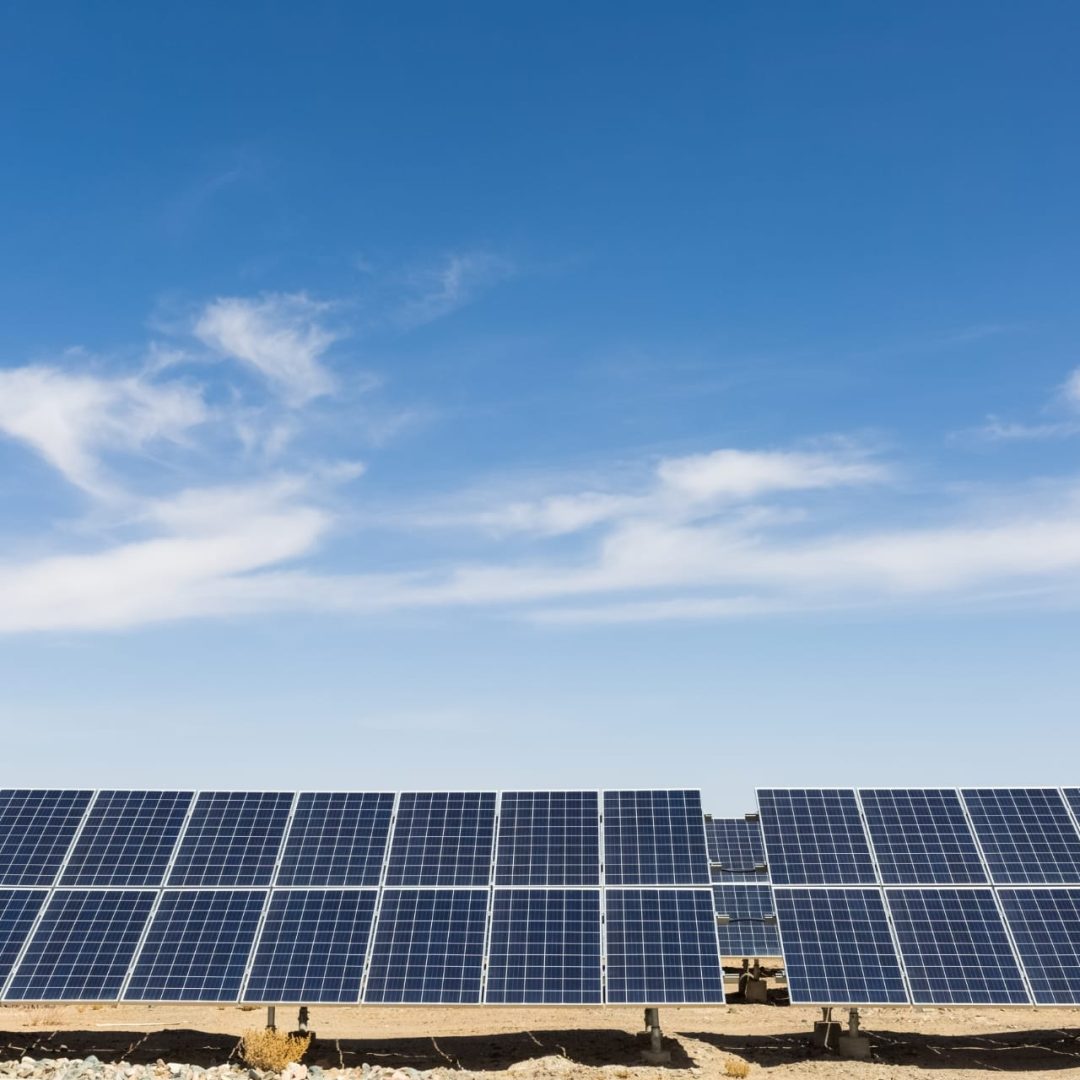
Solar technology is one of the most promising and fastest-growing sources of renewable energy in the world. According to the International Energy Agency (IEA), solar technology accounted for 4.5% of global electricity generation in 2022, and is expected to grow to 16% by 2030 and 30% by 20501. Solar technology has the potential to provide clean, affordable, and sustainable energy for all, and to play a vital role in mitigating climate change and achieving the United Nations Sustainable Development Goals2.
However, solar technology also faces some challenges, such as:
- It is intermittent and variable, as it depends on the availability and intensity of sunlight, which can be affected by weather, seasons, and time of day.
- It requires a large land area, as it has a low power density compared to fossil fuels, meaning it needs more space to produce the same amount of energy.
- It poses some technical and regulatory issues, such as grid integration, power quality, reliability, and safety, which require adequate infrastructure, policies, and standards to ensure smooth and efficient operation.
To overcome these challenges, solar installers, developers, and customers need to have accurate and reliable data and insights on the solar potential of any location, building, or roof. This is where Solar Technology Mapping comes in.
Solar Technology Mapping is the process of using data and insights to estimate the solar potential of any location, building, or roof. It can help solar installers, developers, and customers to design, plan, and deploy solar panels more efficiently and accurately.
Solar Technology Mapping can provide various benefits, such as:
- Saving time, money, and resources, by reducing the need for site visits, surveys, and measurements, and by optimizing the solar panel layout, orientation, and tilt.
- Increasing proposal accuracy, by providing realistic and reliable estimates of solar energy production, savings, and payback period, based on the actual site conditions and solar irradiance data.
- Delivering proposals faster, by using automated and user-friendly tools that can generate solar potential maps, solar supply curves, solar energy potential estimates, shading analysis, rooftop analysis, or solar panel array design in minutes.
- Improving customer satisfaction, by providing clear and transparent information on the benefits and costs of solar technology, and by demonstrating the environmental and social impact of going solar.
About Us
Address Line 1, Address Line 2,
Postcode,
Country